How Extreme Heat Hazards and Carbon Taxes Are Changing Workplace Operations

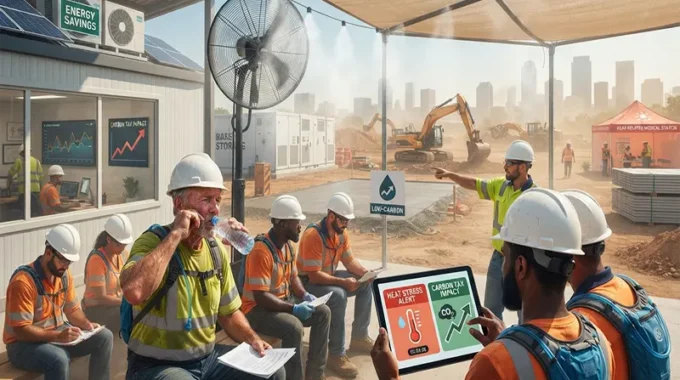
For generations, corporate operational strategy treated the physical environment as a constant. Offices, warehouses, and factories were designed around stable baseline climates, and energy consumption was viewed purely through the lens of utility costs. Today, that operational certainty has evaporated.
Modern organizations face the convergence of two powerful, escalating forces: accelerating extreme heat hazards that threaten worker safety and labor capacity, and expanding carbon taxes that penalize emissions-heavy facility management. To survive and thrive in this new operating environment, businesses must fundamentally adapt their physical infrastructure, shift work scheduling, and decarbonize their operational footprints.
The Operational Impact of Extreme Heat Hazards
Rising global temperatures and frequent, prolonged heatwaves are no longer just environmental concerns; they are critical workplace safety liabilities that directly impair productivity and human capital.
- Labor Capacity and Health Risks: As wet-bulb temperatures and ambient heat rise, physical exertion outdoors or in non-climate-controlled facilities (such as warehouses, manufacturing